The man behind the movement

Nasir El-Rufai

Quantity surveyor. Privatisation chief. Minister of the Federal Capital Territory. Two-term Governor of Kaduna State. A public life spent insisting that government should be measured the way a building is measured — against the plan, and against the cost.

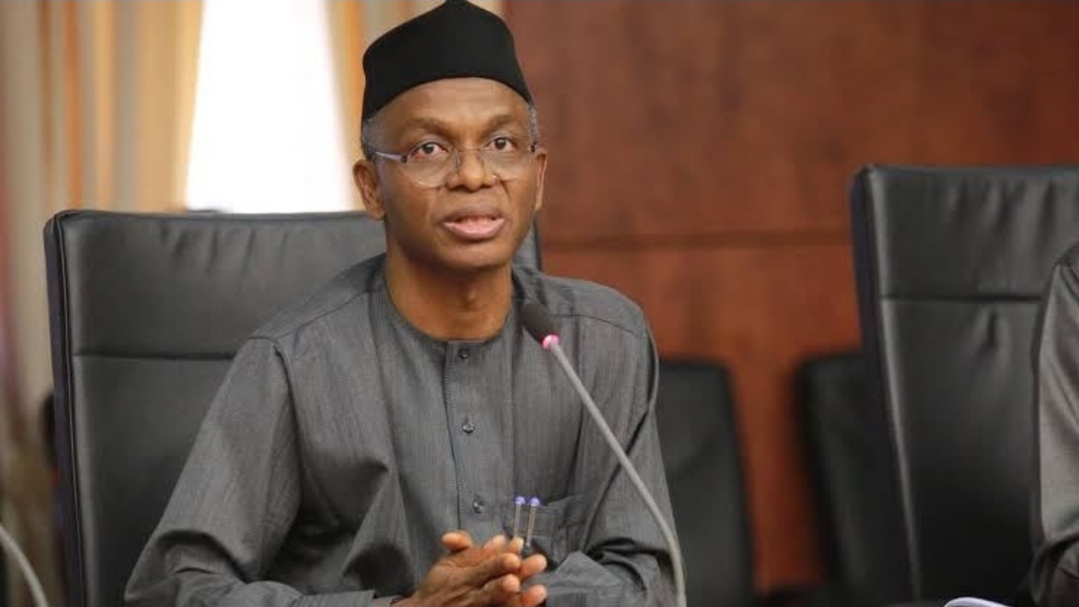
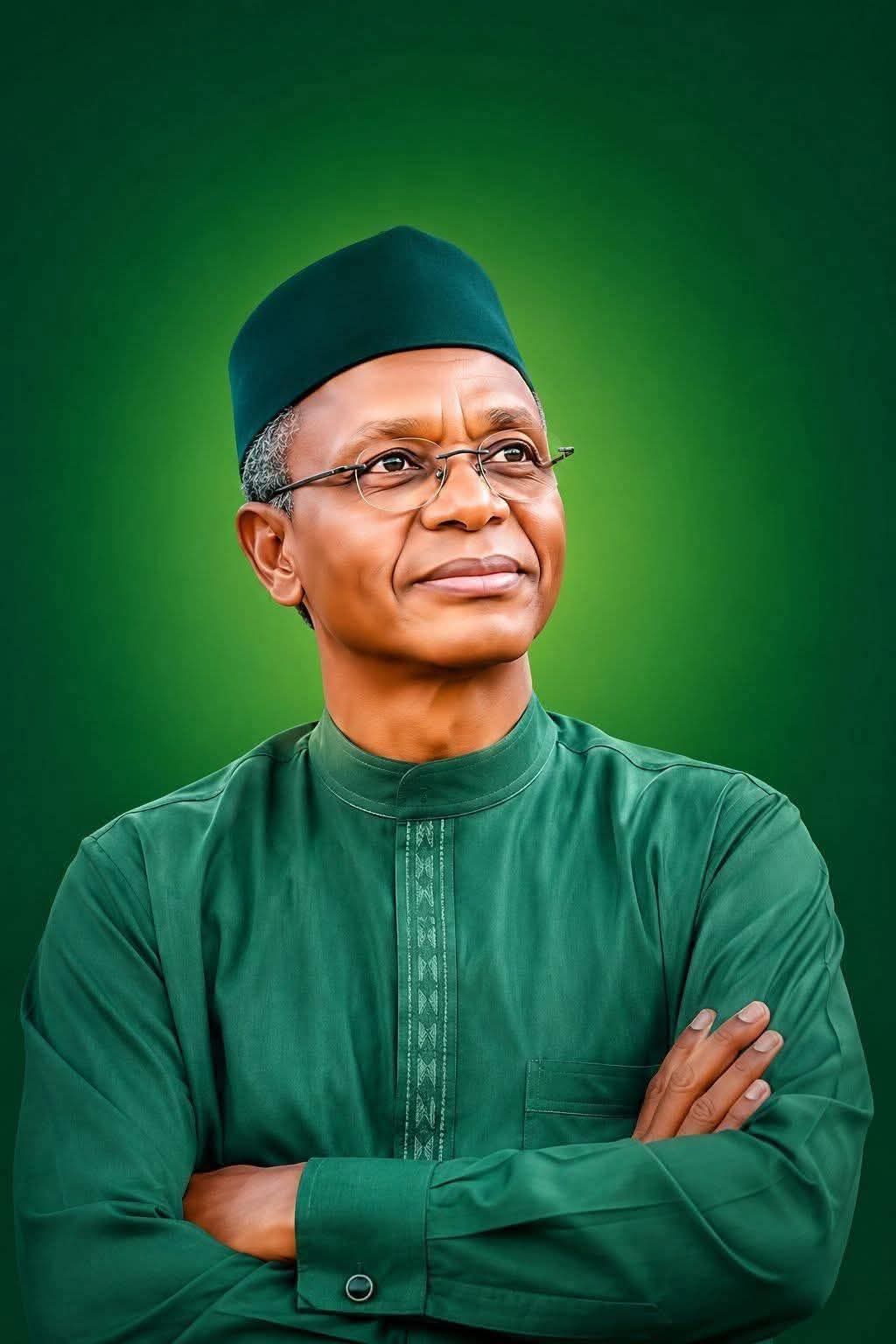
Portrait of Nasir El-Rufai

Born

16 February 1960, Daudawa, Faskari LGA, Katsina State

First degree

Quantity Surveying, Ahmadu Bello University, Zaria

Postgraduate

MBA (ABU) · MPA, Harvard Kennedy School

Public office

DG, BPE · Minister of the FCT · Governor of Kaduna State

A life in chapters

1960 – 1980

Daudawa to Zaria

Nasir Ahmad El-Rufai was born on 16 February 1960 in Daudawa, a rural village in the Faskari Local Government Area of present-day Katsina State, Nigeria. He lost his father early and was raised in a household where schooling was treated as the only inheritance that mattered.

He went on to Ahmadu Bello University, Zaria, graduating in quantity surveying with first-class honours — a discipline built on measurement, costing and accountability for every naira spent. Anyone who has watched him interrogate a budget line can trace the habit back to it.
Daudawa to Zaria

1980 – 1999

The private sector years

Before politics, he built a professional practice — consulting on construction economics, project finance and infrastructure delivery, and serving on boards in telecommunications and industry.

That period gave him something scarce in Nigerian public life: an operator's instinct for how projects actually get built, financed and delivered, and an intolerance for plans that never leave paper.

The private sector years

1999 – 2003

Bureau of Public Enterprises

As Director-General of the Bureau of Public Enterprises, he led Nigeria's privatisation and liberalisation programme at the return of civilian rule, unwinding loss-making state monopolies and opening sectors to competition.

The most visible dividend was in telecommunications: a market that had rationed a few hundred thousand lines for decades was opened up, and mobile telephony reached ordinary Nigerians within a few short years.

Bureau of Public Enterprises

2003 – 2007

Minister of the Federal Capital Territory

Appointed Minister of the FCT, he set out to restore the Abuja Master Plan — removing illegal structures from green areas and rights of way, and rebuilding the integrity of land administration in the capital.

He computerised land records through the Abuja Geographic Information Systems, turning a paper regime that invited fraud into a searchable register, and issued titles that could actually be verified. It made him enemies and it made Abuja governable.

Minister of the Federal Capital Territory

2015 – 2023

Governor of Kaduna State

Elected Governor of Kaduna State in 2015 and re-elected in 2019, he ran the state as a reform laboratory: an aggressive push on internally generated revenue, a leaner cost of governance, open budgets, and a school system rebuilt around the child rather than the payroll.

He tested teachers and replaced those who failed, fed pupils, built and rehabilitated classrooms, and put Kaduna repeatedly at the top of national rankings for ease of doing business and fiscal transparency. He also absorbed the political cost of those decisions without walking them back.

Governor of Kaduna State

2023 – today

The argument continues

Out of office, he remains one of the country's most persistent voices on governance, security, subsidies, federalism and the cost of the Nigerian state — in print, on air, and in rooms where decisions are made.

El-Rufai Live exists to turn that argument into organisation: volunteers, supporters and support groups in every state and local government, working from the same convictions.

The argument continues

How he works

A technocrat's temperament

Numbers first. Positions he takes in public are usually positions he has already costed in private.

Institutions over personalities

Registers, records, rules and audits — his reforms consistently outlast the office holder who introduced them.

Unusually on the record

Author of The Accidental Public Servant, and a habitual publisher of the documents behind his decisions.

Legacy of Mallam Nasir El-Rufai

The Record of Service

Three defining roles. One consistent commitment to reform, competence, and results.

1999 – 2003

Director-General, Bureau of Public Enterprises

Mandate: dismantle loss-making state monopolies and build the institutional machinery for a competitive private sector.

Privatisation

Divested state enterprises at scale

Led the sale and concession of scores of federal enterprises through open, competitively bid transactions.

Telecommunications

Opened the telecoms market

Supported the liberalisation and GSM licensing that ended a rationed state monopoly on telephony.

Process integrity

Transparent transaction rules

Published bid criteria, technical evaluations and outcomes, setting a benchmark for federal divestitures.

Institutions

Groundwork for sector regulators

Advanced the reform and regulatory frameworks required before power, ports and telecoms could be opened.

Public finance

Ended perpetual subvention

Removed a recurring drain on the treasury by taking chronically loss-making firms off government's books.

Investment

Restored investor confidence

Credible, rules-based transactions brought serious domestic and foreign capital back to Nigerian assets.

The philosophy behind it

If it isn't measured, it didn't happen

Every promise gets a number, a naira cost and a deadline. Progress is reported against the plan, not against intentions. It is the discipline of a quantity surveyor applied to the state.

Build institutions, not personal loyalty

Registers, audits, competitive tenders and published records outlive an administration. The measure of a reform is whether it survives the reformer.

Human capital is the real infrastructure

Education and health are not welfare line items — they are the productive base of a young country. Underfunding them is the most expensive saving a government can make.

Be willing to be unpopular

Subsidy reform, teacher testing, payroll audits and demolition of illegal structures all cost political capital. Leaders who refuse every unpopular decision simply pass the bill to the next generation.

A public service career defined by institutional reform, measurable results, and the courage to confront difficult realities.

"Public service is not a favour done to citizens. It is a contract, and every contract has a price, a timeline and a person who signs for it."

The spirit of the movement

El-Rufai Live

Reform · Competence · Accountability