The El-Rufai Movement
Ideas. Leadership. Reform. Community.
The Movement continues.
A community of Nigerians organised around reform, competence, accountability and institutional transformation — and the public-service record that gave those ideas a language.
Opening
There was once a time in this country when the word “reform” was spoken almost as a challenge. It was not a slogan for rallies. It was a burden carried by those who believed that institutions could be made to work, that competence was not a tribal possession, and that a people deserved more than the permanent improvisation of their leaders.
Out of that belief grew a community. It did not begin with banners or hashtags. It began with people who watched a man attempt the difficult work of government and found, in that attempt, a mirror of their own hunger for order, for results, and for dignity in public life. That community is what we now call the El-Rufai Movement.
Political movements are rarely sustained by the force of one personality alone. They endure when ideas take root, when shared experience creates memory, and when ordinary citizens begin to see themselves as part of a longer story. The El-Rufai Movement is rooted in a belief in reform, competence, accountability, courageous leadership, institutional transformation, digital government, human capital development, public-sector efficiency, youth participation and democratic engagement. It has grown from a network of political support into a broader community of Nigerians who remain interested in the ideas, the reforms, the leadership philosophy and the public-service record associated with Mallam Nasir El-Rufai.
This page is not a campaign leaflet. It is an attempt to set down the intellectual and historical foundation of that community.
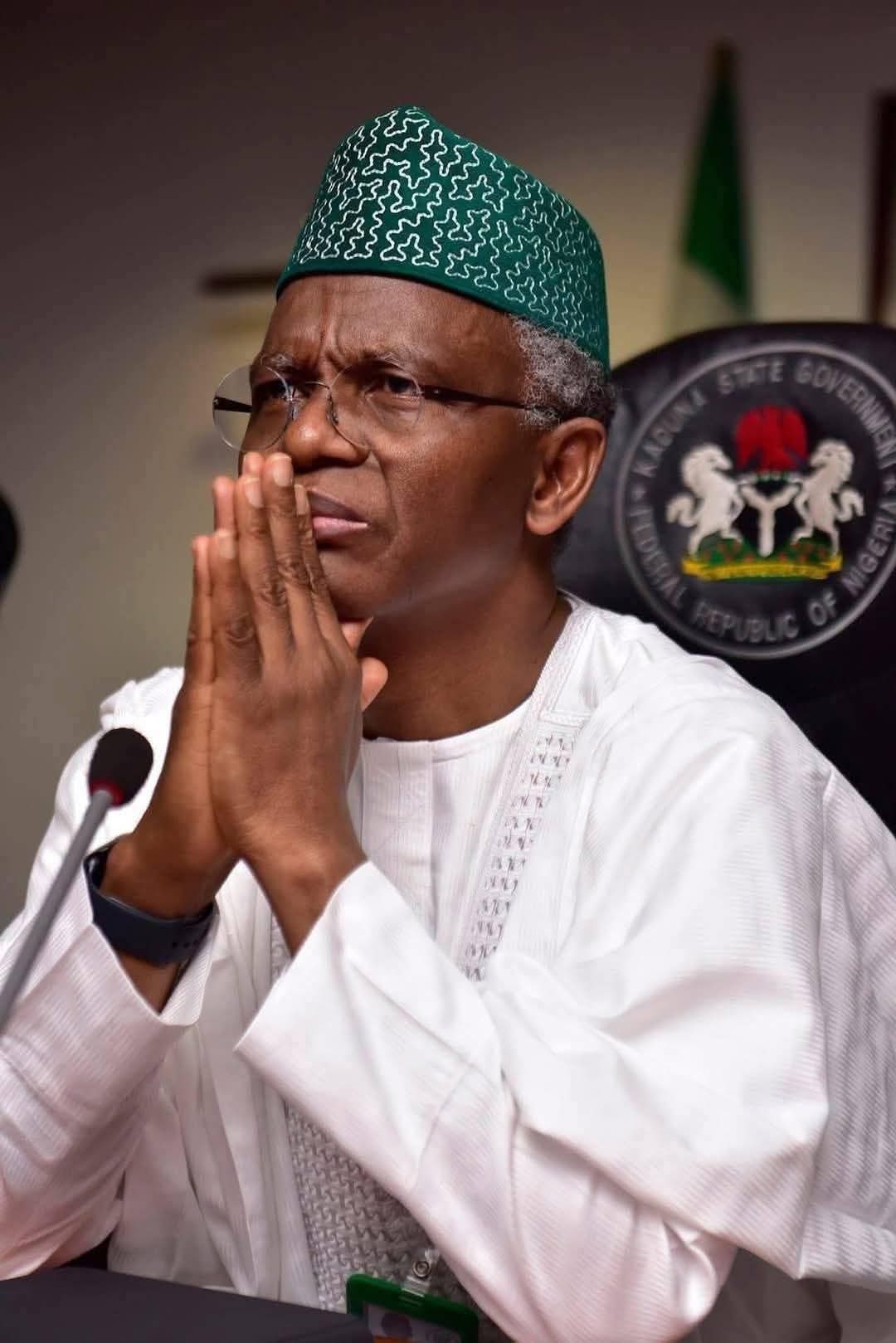
Who is Mallam Nasir El-Rufai?
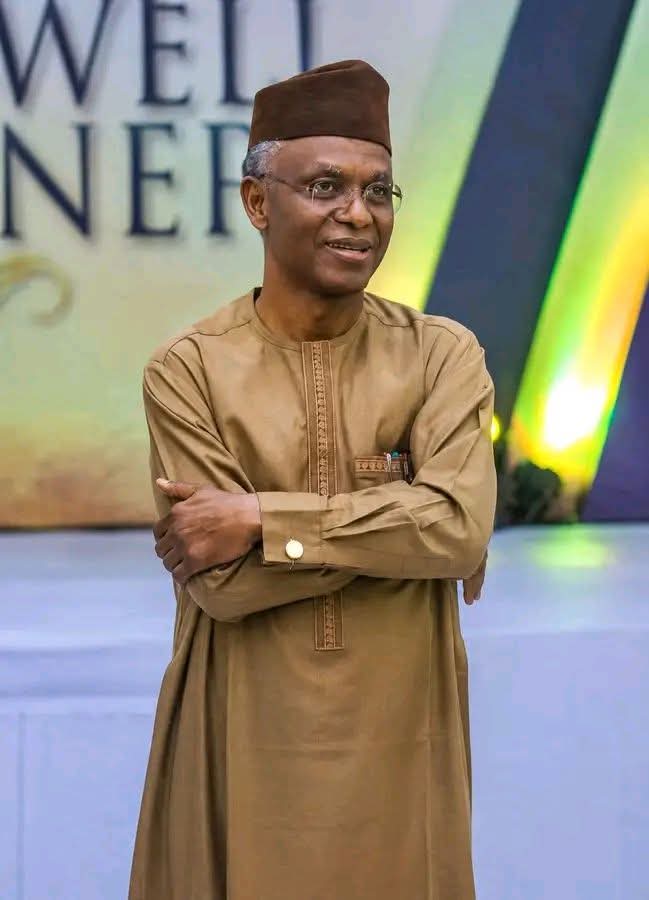
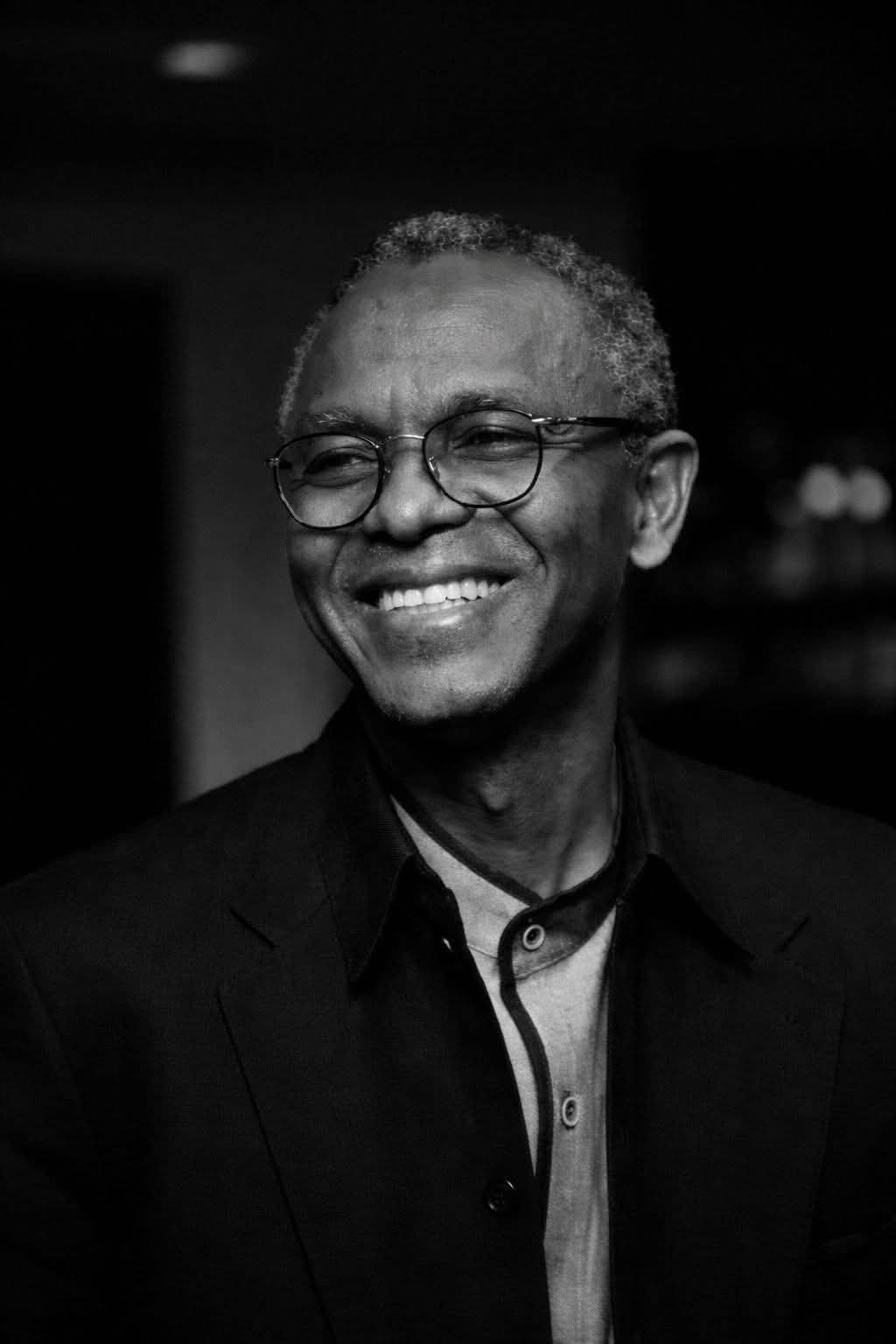
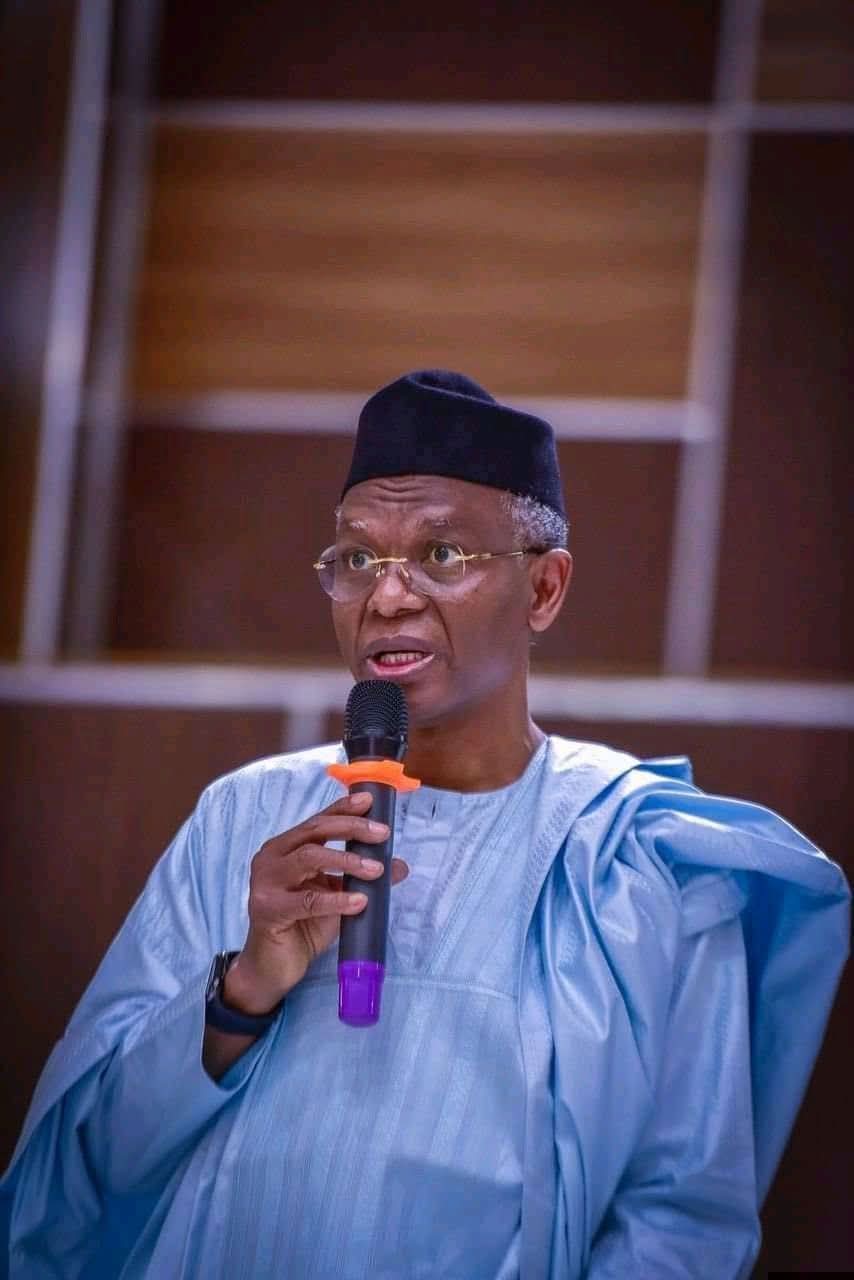
Mallam Nasir Ahmad El-Rufai is a Nigerian public servant, reformer, author and political leader whose career has been defined by successive attempts to impose order on systems that preferred disorder.
He first came to national prominence as Director-General of the Bureau of Public Enterprises, where he led the technical work of Nigeria's privatisation and commercialisation programme. In that role he confronted the deep inefficiencies, politicisation and institutional decay that had long characterised many public enterprises. The experience shaped his enduring belief that the state must be leaner, more professional, and more focused on regulation and facilitation rather than direct commercial ownership.
He later served as Minister of the Federal Capital Territory under President Olusegun Obasanjo, where he confronted the long neglect of Abuja's master plan, the chaos of land administration and the culture of impunity that had settled over the capital. As Governor of Kaduna State from 2015 to 2023, he pursued an aggressive agenda of institutional restructuring, education reform, fiscal discipline, urban renewal and the introduction of digital systems into government. He has also been a policy advocate, a writer and a consistent voice in national political debates.
His approach to governance has been marked by an insistence on measurable outcomes, a willingness to confront entrenched interests, and a belief that the machinery of the state can be made to serve the citizen rather than itself. Admirers see in him a rare combination of technocratic discipline and political courage. Critics have found his methods abrupt. Both assessments acknowledge the same reality: he has never treated public office as a ceremonial posting.
The origin of the Movement
Support for El-Rufai did not emerge from a single moment of political theatre. It grew gradually around the experience of his public service — beginning with the difficult, often unpopular work of privatisation at the Bureau of Public Enterprises, continuing through the attempt to restore order in the Federal Capital Territory, and later through the reform efforts in Kaduna State.
In each phase, communities of people who identified with the language of reform, accountability, efficiency, technology and institutional change began to form. These networks first existed among professionals, civil servants and political actors who had worked with or observed the administrations. As social media expanded, the conversation migrated online. What had been scattered conversations became more organised digital communities. El-Rufai Live, and later the wider structures of the Movement, emerged from that evolution — an attempt to give form, memory and continuity to a dispersed but growing body of citizens who shared a particular understanding of what serious government looks like.
What does the El-Rufai Movement stand for?
The Movement is defined by a set of convictions rather than by temporary political convenience.
Reform
Government institutions must continuously improve. No structure is permanent merely because it is familiar.
Competence
Public office requires capability, discipline and measurable performance. Sentiment is not a substitute for skill.
Accountability
Those entrusted with public resources must answer to citizens. Power without answerability is simply predation.
Transparency
Government decisions and public expenditure should be open to scrutiny. Secrecy is the natural ally of waste.
Institutional reform
Strong institutions outlast strong personalities. Development that depends only on individuals is fragile.
Digital government
Technology should make government more efficient, transparent and accessible. Paper processes that exist only to create bottlenecks have no moral claim to permanence.
Human capital
Education, skills and opportunity are the true foundations of national development. A state that neglects its people is preparing its own decline.
Courageous leadership
Leadership sometimes requires decisions that are not immediately popular. The courage to act is not the same as the appetite for applause.
Youth participation
Young Nigerians must have a meaningful role in shaping government and society. A democracy that excludes its young is already ageing into irrelevance.
Rule of law
Political disagreement must not replace due process. The law is either a shield for everyone or a weapon for the powerful.
Democratic participation
Citizens must actively participate in the democratic process. Silence is not neutrality; it is surrender.
National development
The ultimate purpose of governance is the improvement of the lives and opportunities of citizens. Everything else is commentary.
The El-Rufai reform record
Claims about public performance must rest on documents, not on devotion. Read the evidence.
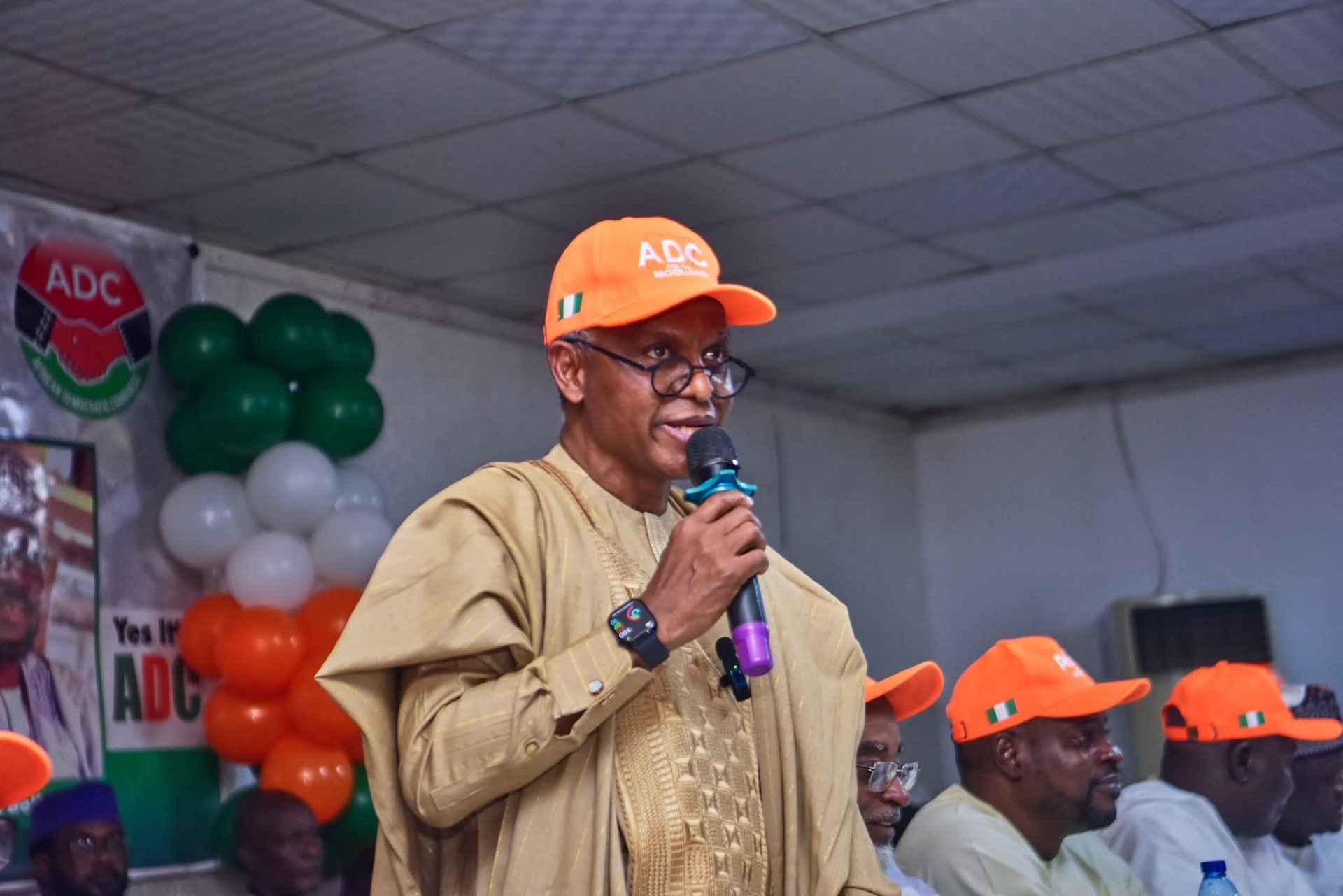
1999 – 2003
Bureau of Public Enterprises
As Director-General of the Bureau of Public Enterprises, El-Rufai led the technical implementation of Nigeria's privatisation and commercialisation programme. The work involved restructuring and divesting government interests across a wide range of public enterprises, in a period defined by institutional resistance, political pressure and the difficult task of introducing commercial discipline into organisations long accustomed to subsidy and political interference. The experience reinforced his conviction that the Nigerian state needed clearer boundaries between ownership, regulation and service delivery.
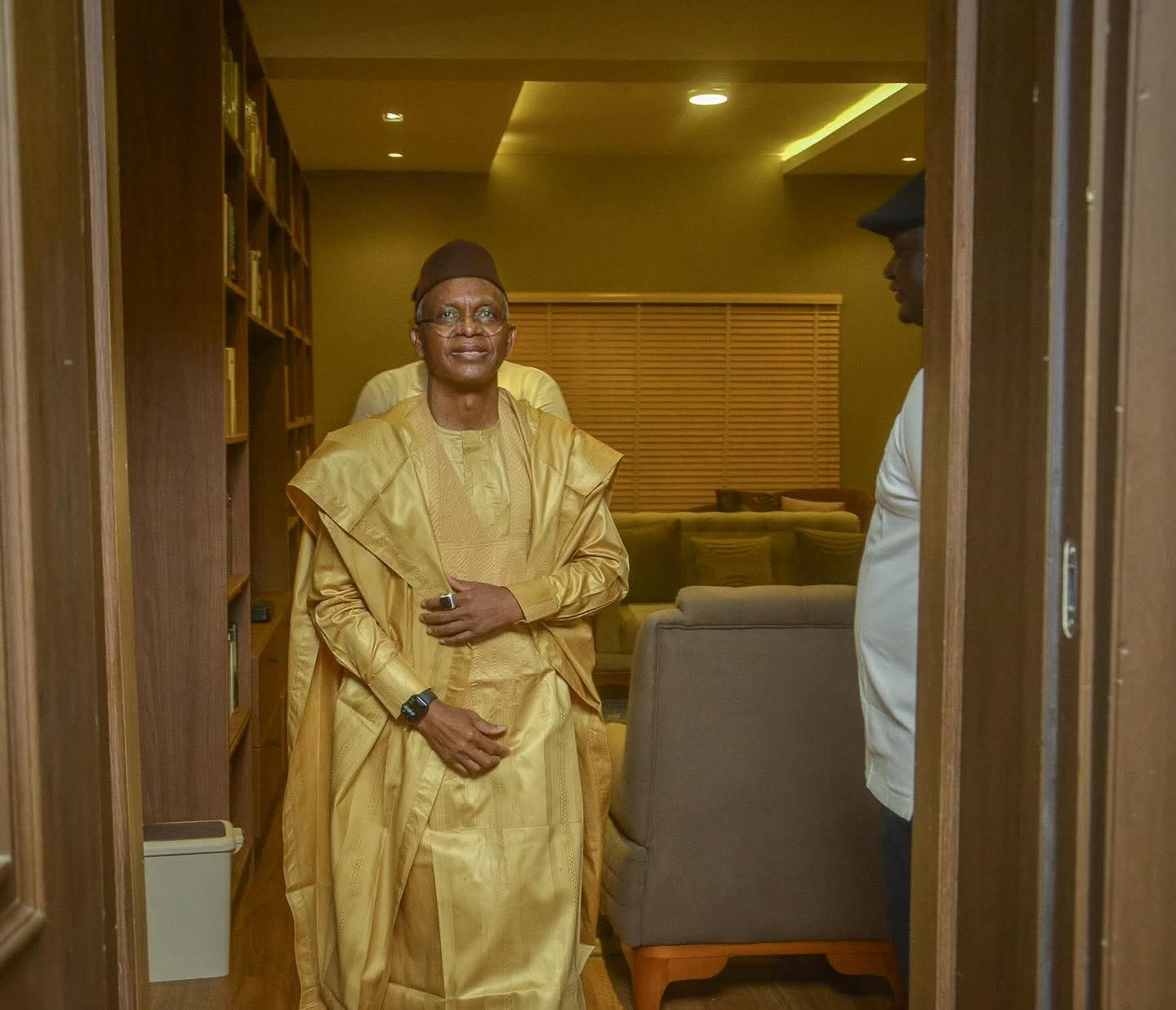
2003 – 2007
Federal Capital Territory
As Minister of the Federal Capital Territory, his tenure is associated with the attempt to reassert the Abuja Master Plan, strengthen development control, reform land administration and introduce greater order into the management of the capital. The period was marked by controversies over demolitions and land allocation, but also by a visible effort to reverse years of institutional drift. Those seeking the documentary record should consult official FCT publications, master-plan documents and contemporary reports from that era.
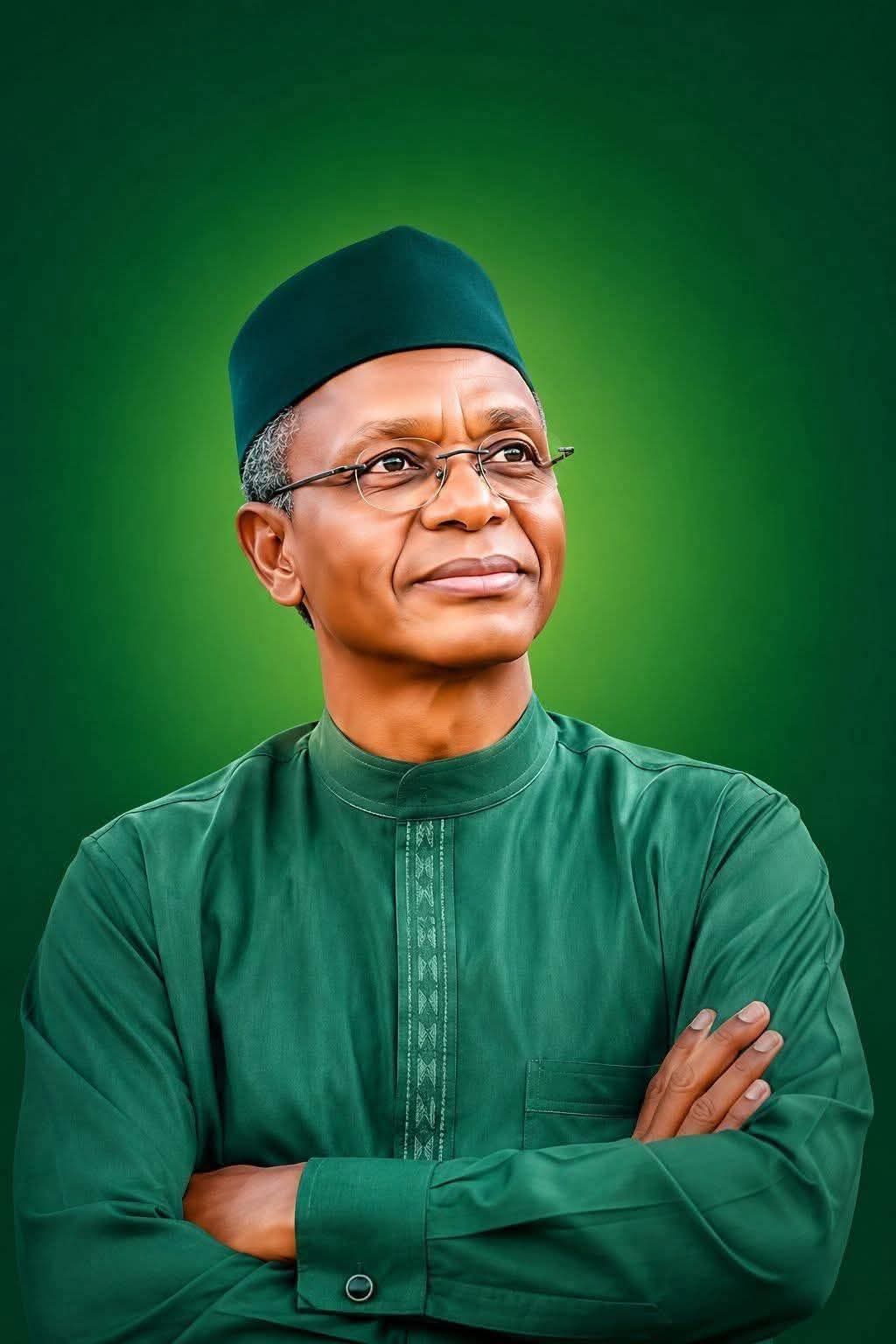
2015 – 2023
Kaduna State
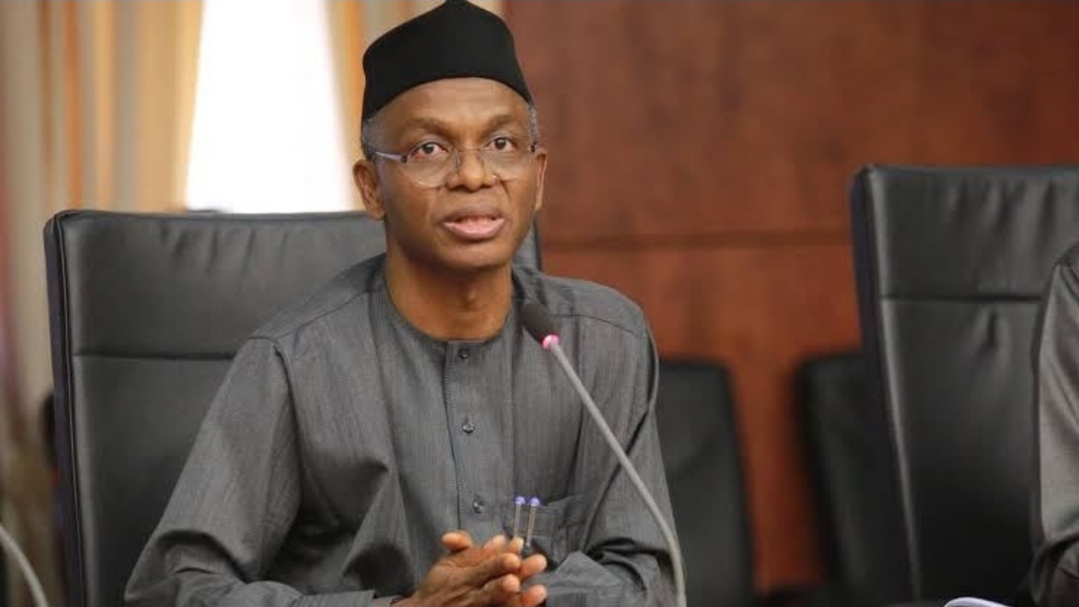
As Governor, El-Rufai pursued reforms across education, public finance, digital government, urban development and institutional restructuring. The administration placed emphasis on teacher competence testing, fiscal transparency, digital platforms for government services and attempts to modernise local administration. Infrastructure projects, agricultural initiatives and efforts at security coordination formed part of the same broad agenda. Each claim of achievement must be examined against budgets, official reports and independent assessments rather than against political memory alone.
A continuing theme
Digital government
A consistent theme across the BPE, FCT and Kaduna years was the belief that technology and clearer institutional design could reduce discretion, increase transparency and improve service delivery. Initiatives associated with digital land records, e-procurement thinking and the broader push for technology-enabled administration belong to this strand. The Movement treats these efforts as part of a longer Nigerian conversation about modernising the state, not as finished monuments.
The reform philosophy
There is a permanent tension in democratic politics between popularity and reform. Some of the most necessary changes challenge established interests and therefore carry short-term political costs. The El-Rufai approach has generally preferred the long-term institutional benefit over the immediate comfort of consensus.
What makes a great leader — popularity, or the courage to make difficult decisions?
Popularity can be manufactured. Institutions cannot. A leader who never risks unpopularity may never disturb the arrangements that keep a society mediocre. At the same time, courage without communication becomes arrogance, and reform without measurable outcomes becomes mere disruption. The Movement's intellectual position is that leadership is tested not by the volume of applause, but by the durability of the systems left behind.
The Movement and young Nigerians
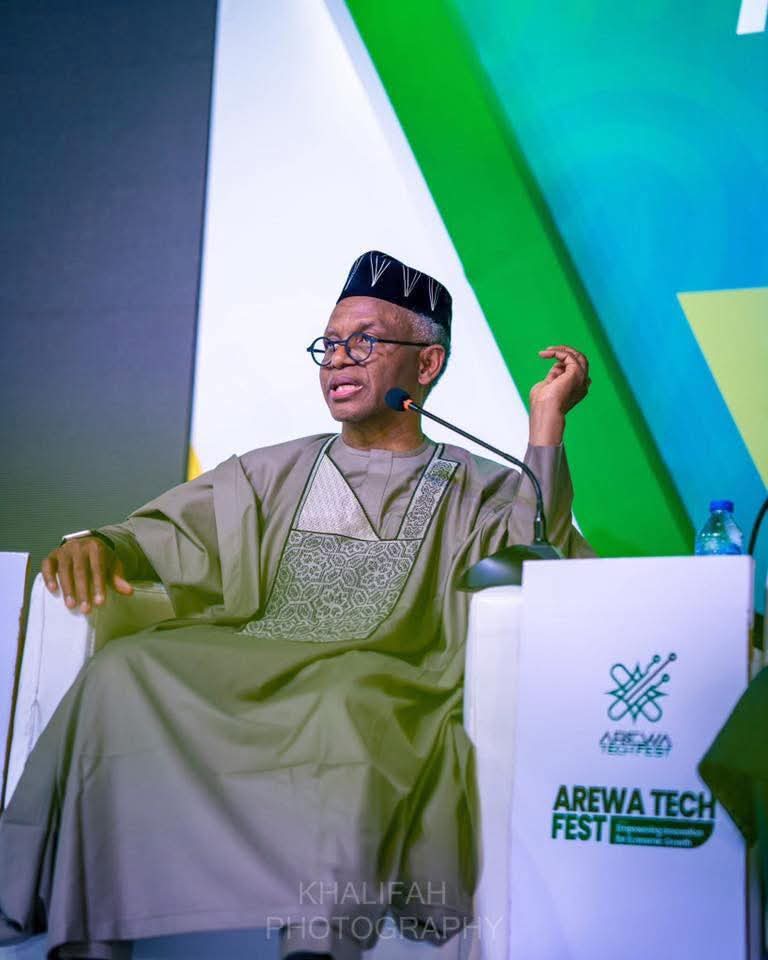
Young Nigerians are not an afterthought in this community. They are its most important constituency. Digital participation, entrepreneurship, policy curiosity, civic education and community organisation are already the natural languages of a generation that has grown up online.
The Movement insists that age is not a qualification for exclusion. You are not too young to participate in shaping Nigeria. You are only too silent if you choose silence.
From supporters to community
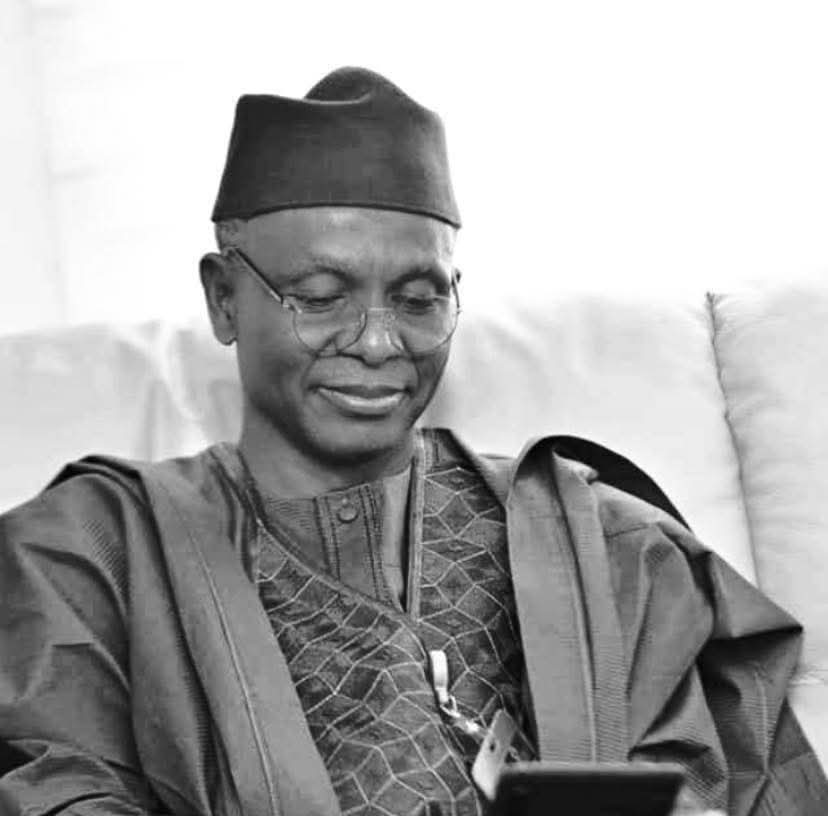
What began as political support has grown into a broader community. It includes students, young professionals, entrepreneurs, technology workers, civil servants, activists, academics and ordinary citizens who remain interested in questions of reform and competent government.
Disagreement is not a threat inside a democratic movement. Debate, evidence, research, respect and constructive criticism are the habits that keep a community from becoming a cult.
El-Rufai Live — the digital home
El-Rufai Live serves as the primary digital platform of the Movement: news, commentary, documentation, video, archives, community engagement, civic education and leadership discussion. Its purpose is to preserve the memory of the Movement and to give it a permanent, accessible home. In an age when digital noise is constant, the platform seeks to combine urgency with documentation.
The Movement's digital architecture
Political movements are changing. Social media, digital communities, video, podcasts, data, online membership systems and civic technology are no longer optional tools; they are the new public square. El-Rufai Live intends to build a technologically serious movement — one that uses digital tools not only for mobilisation, but for memory, education and accountability.
Documenting history
History should not depend on memory alone. Speeches, interviews, policies, government documents, photographs, videos and public debates must be preserved. The Movement's long-term ambition includes a searchable archive so that future citizens can examine the record rather than inherit only the arguments of the present.
The Movement's position on democracy
The El-Rufai Movement believes in constitutional democracy, the rule of law, freedom of expression, political participation, peaceful competition, accountability, independent institutions, due process and equal treatment before the law. Political advocacy must remain peaceful and lawful. The alternative is the permanent descent into force.
The Movement today
The present phase of the Movement is defined by digital mobilisation, community growth, political education, documentation, advocacy, youth engagement and gradual national expansion. Exact numbers of members and reach will be published when they can be verified. What can already be stated is direction: the community continues to organise, to document, and to insist on the relevance of the ideas that first brought it together.
Where do we go from here?
The long-term ambition is institutional rather than purely personal. State chapters, a youth leadership network, a governance academy, a research capacity, a proper digital archive, documentary and podcast platforms, leadership conferences, civic education programmes and technology-driven engagement are all part of the horizon. The Movement's future must be driven by ideas and institutions, not by the temporary fortunes of any single individual.
The Movement's values
Frequently asked questions
Join the Movement
The Movement is bigger than a moment.
If you believe in courageous leadership, competent government, institutional reform, accountability, democratic participation and a better Nigeria, there is a place for you in this community. Join the community. Volunteer. Share your story. Explore the archive. Follow El-Rufai Live.
The work continues.
Our partner support groups

Stay connected
Follow El-Rufai Live on our official channels for updates from the movement.